A garage door problem can quickly become more than a minor inconvenience. Because the door is heavy and depends on springs, cables, tracks, rollers, and electrical components, certain failures can create immediate safety and security risks.
Homeowners in Moses Lake, WA, should know which warning signs require urgent professional attention. While simple tasks such as changing remote batteries or clearing debris from a sensor may be safe to handle, damaged springs, unstable doors, broken cables, and electrical problems should never be treated as do-it-yourself repairs.
Continuing to operate a seriously damaged garage door can make the problem worse. It may damage the opener, bend the tracks, break additional hardware, or cause the door to fall unexpectedly. Recognizing the following five problems can help homeowners act quickly and avoid injuries or costly property damage.
A Broken Garage Door Spring
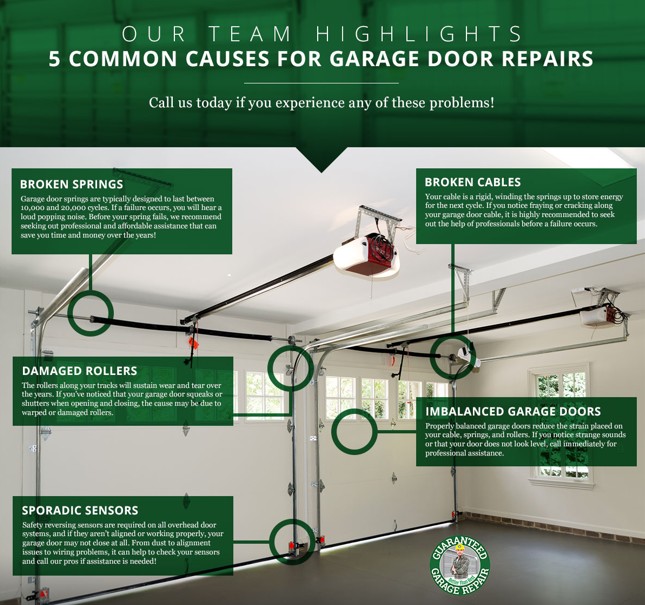
A broken spring is one of the most common reasons a garage door suddenly stops working. Springs are responsible for supporting most of the door’s weight, making it possible for the opener or a person to lift the door without excessive effort.
When a spring breaks, homeowners may hear a loud bang from the garage. This sound can occur even when the door is not moving because the spring remains under tension while the system is at rest.
A torsion spring is usually mounted above the garage door. When it breaks, there may be a visible gap in the metal coil. Extension springs are commonly positioned along the upper tracks and may appear loose, stretched, or disconnected after failure.
Other signs include a door that opens only a few inches, feels unusually heavy, or refuses to move. The opener may still run, but it will struggle to lift the unsupported weight.
Do not repeatedly press the opener button. Garage door openers are designed to guide a balanced door, not lift the full weight of one with a broken spring. Continued use can damage the motor, internal gears, chain, belt, or carriage.
Spring replacement requires specialized tools and an accurate understanding of the door’s weight, height, and construction. Installing the wrong spring or releasing tension incorrectly can cause serious injury. A trained technician should inspect the system and replace the damaged components before the door is used again.
A Garage Door That Has Come Off Its Tracks
A garage door should move smoothly through tracks installed on both sides of the opening. If one or more rollers leave the tracks, the door may become crooked, jammed, or partially unsupported.
This can happen when a roller breaks, a cable snaps, a track becomes bent, or the garage door is struck by a vehicle or another heavy object. Loose hardware and severe misalignment can also cause the door to leave its normal path.
An off-track garage door is unstable and may shift without warning. Do not stand beneath it, walk through the opening, or attempt to move it manually. Keep children, pets, vehicles, and stored belongings away from the area.
Using the opener may pull the door farther out of alignment and damage the panels, hinges, rollers, tracks, and supporting brackets. Pushing the door back into position without securing its weight can also cause it to fall.
A professional technician will first stabilize the door before examining the full system. The repair may involve replacing rollers, straightening or replacing tracks, correcting cable tension, and inspecting the panels for structural damage.
Responding quickly may prevent a repairable door from becoming damaged beyond practical restoration.
A Loose, Frayed, or Broken Cable
Garage door cables work with the springs to lift and lower the door evenly. They carry substantial force during every operating cycle and can become worn from friction, corrosion, age, or improper tension.
A damaged cable may show broken metal strands, rust, or visible fraying. It may hang loosely beside the track or become tangled around the cable drum near the top of the door.
If one cable breaks, the door may rise unevenly, tilt sharply, or become stuck. One side can suddenly drop because it is no longer receiving the same support as the other.
Never touch, pull, cut, or attempt to reposition a damaged garage door cable. Even when it appears loose, it may still be connected to a spring under tension. Handling it can release stored force or cause the door to move unexpectedly.
Homeowners who notice any of these urgent warning signs should arrangeEmergency Garage Door Repair rather than attempting to restore the cable themselves.
A technician can secure the door, release the system’s tension safely, and install a correctly sized replacement. The springs, drums, tracks, brackets, and remaining cable should also be inspected because the visible cable damage may be related to another mechanical issue.
A Garage Door That Is Hanging or Moving Unevenly
A garage door should remain level as it opens and closes. If one side rises faster, the door shakes heavily, or the panels appear crooked, the system may have a serious balance or support problem.
Uneven movement can result from a damaged spring, broken cable, worn roller, bent track, or loose bracket. The door may still operate temporarily, but continued movement can place uneven pressure on the panels and supporting hardware.
A hanging door is particularly dangerous when it is stuck partially open. It may appear stable while being supported by a damaged component that could fail at any moment.
Do not walk or drive underneath the door. Avoid pulling the emergency release cord because disconnecting the opener may remove one of the remaining points of support and cause the door to fall.
The safest response is to stop operating the system and keep the area clear. If possible, use another entrance to the home until a technician arrives.
Professional service is necessary to determine why the door has lost its balance. The technician may need to repair cables, replace springs or rollers, align the tracks, or secure damaged brackets. The panels should also be checked for bending or twisting caused by the uneven movement.
Ignoring the problem may result in the door coming completely off its tracks or damaging the opener.
Smoke, Sparks, or a Burning Smell From the Opener
Garage door problems are not always mechanical. The opener contains electrical wiring, a motor, gears, a circuit board, and other components that may fail or overheat.
Burning smells, smoke, sparks, flickering lights, or loud electrical buzzing require immediate attention. These warning signs may indicate damaged wiring, an overloaded motor, a failing capacitor, or an internal electrical fault.
Stop using the opener immediately. Do not continue pressing the wall button or remote to see whether the problem clears. Repeated operation can worsen the damage and increase the risk of an electrical fire.
Disconnect the opener from its power source only when the plug can be reached safely. Do not approach the unit if there is visible smoke, active sparking, or damaged wiring.
If smoke is increasing or there appears to be a fire, leave the garage and contact emergency services. Garage door repair should only begin after the area is safe.
An opener may overheat because of an internal failure, but it may also be struggling against a mechanical problem. A weak spring, damaged track, or jammed roller can force the motor to work harder than intended.
A professional inspection should therefore cover both the opener and the garage door. Replacing an electrical component without correcting the mechanical resistance may cause the same problem to return.
What to Do While Waiting for Professional Help
After identifying a serious garage door problem, keep everyone away from the door. Do not attempt temporary repairs using ropes, clamps, boards, or other household materials. Makeshift supports can slip or collapse.
If the door is stuck open, remove valuable items from the garage when it is safe to do so. Lock the interior door connecting the garage to the home and close accessible windows. Exterior lighting and security cameras may provide additional protection until the door can be repaired.
If the door is closed, leave it in place. Do not force it open to remove a vehicle unless a trained technician confirms that it is safe.
Take photographs of visible damage from a safe distance. Note any sounds you heard, how the door was moving, and what happened immediately before the failure. This information can help the technician understand the situation and prepare the correct equipment.
Ask about service fees, parts, labor, and any emergency charges before approving the repair. A professional technician should inspect the system and clearly explain the recommended work.
Why Immediate Repairs Matter
A serious garage door problem can affect multiple components. A broken spring may damage the opener. A failed cable may pull the door out of alignment. An off-track roller may bend the track or damage the panels.
Prompt service helps stop this chain of damage. It also protects vehicles, stored belongings, and the people who use the garage.
A garage door that cannot close securely may leave the home exposed. A door that cannot open may trap a vehicle needed for work, school, or an important appointment. Addressing the problem quickly can restore both access and security.
Professional technicians have the tools and training needed to handle heavy panels, high-tension springs, electrical openers, and unstable hardware. Their work should include testing the repaired door through multiple cycles and confirming that its balance, sensors, opener, and automatic reversal features function properly.
Preventing Future Garage Door Emergencies
Not every failure can be predicted, but regular maintenance can reduce the likelihood of a sudden breakdown. Pay attention to changes in sound, speed, balance, and movement.
Grinding, scraping, popping, or rattling may indicate developing wear. A door that moves slowly, shakes, or reverses unexpectedly should be inspected before the problem becomes more serious.
Keep the tracks clear and gently clean the safety sensor lenses. Inspect weather seals, panels, cables, and visible hardware without touching high-tension components.
Professional maintenance can include checking springs, cables, rollers, hinges, tracks, brackets, panels, seals, opener settings, and safety systems. Worn components can then be replaced before they fail unexpectedly.
For homeowners in Moses Lake, preventive care can improve daily reliability while reducing emergency repair costs.
Key Takeaways
Broken springs, off-track doors, damaged cables, uneven movement, and electrical opener problems require immediate professional attention.
Stop using the garage door, keep the area clear, and avoid handling high-tension or unstable components. Prompt service can prevent injuries, protect the property, and keep a manageable repair from becoming a larger breakdown.