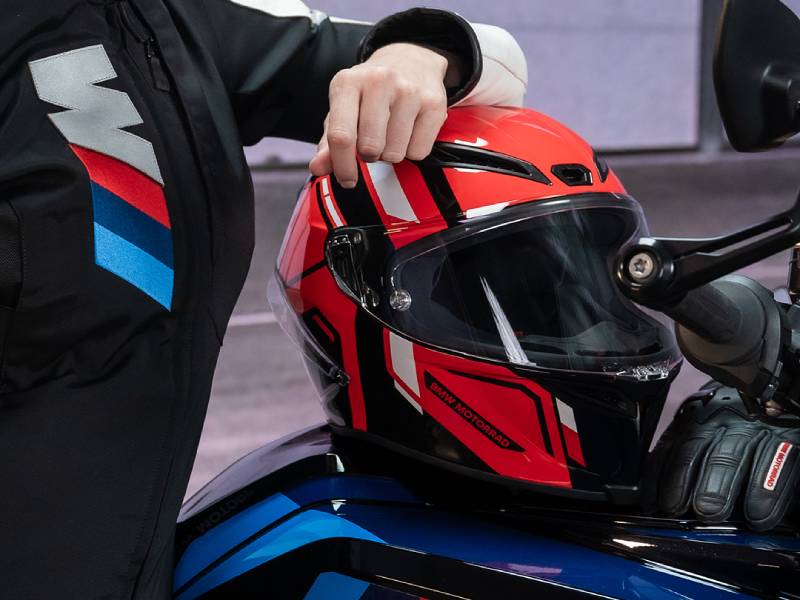
One of the most crucial parts of riding gear is a motorcycle helmet, but selecting one requires more than just looking for a style that complements a bike. Whether a helmet feels good after ten minutes or many hours on the road depends on a number of factors, including comfort, fit, protection, ventilation, visibility, and riding conditions.
When choosing a BMW helmet, users should consider practical features that will impact their daily riding rather than just looks. A more pleasant and self-assured ride may be achieved with a helmet that fits well and is appropriate for the kind of riding.
Choose The Right Fit First
One of the first things to think about should be helmet fit. Two riders with the same head circumference may not always find the same helmet to be equally comfortable since skull shapes and sizes vary greatly.
When a helmet is fitted correctly, it should feel snug around the head without causing uncomfortable pressure points. The helmet should not slide on its own when the rider shifts their head from side to side. Longer travels may also cause discomfort due to excessive stiffness around the jaw, temples, or forehead.
While taking a head circumference measurement before buying is a helpful place to start, putting on the helmet is just as crucial. Pressure points that may not be initially apparent might become visible after wearing it for a few minutes.
Think About The Kind Of Riding You Do
The requirements for a helmet vary depending on the riding situation. Ventilation, controllable weight, and easy visor operation can be top priorities for someone who commutes mostly through metropolitan traffic. Long-distance comfort, less wind disruption, and compatibility with communication devices may be more important to a touring rider.
There are additional standards for adventure riders. Airflow, visibility, and useful adjustable elements might be especially useful due to changing road conditions, fluctuating weather, and longer days in the saddle.
Selecting a BMW helmet based on riding habits rather than just looks will help guarantee that its features continue to be beneficial beyond the original purchase.
Prioritise Comfort During Longer Rides
In a showroom, a helmet may seem cosy, but after an hour on a motorbike, it may act differently. Long rides make little things much more apparent.
Because it affects how the helmet comes into contact with the rider’s head and face, inside padding is crucial. Repeated usage may be made more enjoyable by materials that feel good on the skin. Maintenance may also be made simpler by removable or washable interior parts, especially for riders who often travel in warm weather.
Attention should also be paid to helmet weight. The weight distribution may be equally as important as the quantity listed in the requirements. Longer trips may cause less neck pain if the design is well-balanced.
Protection Should Remain The Priority
While convenience and style are important, protection is a motorcycle helmet’s main function. When using a helmet, riders should make sure it meets local safety regulations.
When correctly attached, the helmet should also stay firmly in place. Riders should familiarise themselves with the retention mechanism and make sure it can be properly adjusted.
After buying, condition is also important. Periodically check a helmet for wear and tear, obvious damage, and fit changes. When it comes to maintenance and replacement, manufacturer instructions should be adhered to, particularly after an incident.
Think About Visibility And Ventilation
Riding comfort may be significantly impacted by having clear eyesight. A decent visor should provide riders a wide field of vision and enable them to adapt to changing lighting and weather conditions. Additionally, visor mechanics should be simple to use without becoming obtrusive.
During warmer rides, ventilation is particularly crucial. Longer trips may be easier to handle, and heat accumulation within the helmet can be decreased with efficient ventilation. The location of the vents, their ease of adjustment, and whether they are suitable for the environment in which the helmet would often be used should all be taken into consideration by riders.
Controlling visor fogging becomes another factor in colder or wetter weather. For riders who ride their bikes all year round, features that facilitate better visibility might be helpful.
Making A Confident Choice
Instead of focusing on just one characteristic, selecting the best BMW helmet necessitates balancing a number of criteria. Appropriate protection, comfort, visibility, and compatibility for the rider’s usual travels should be prioritised after proper fit.
It may make a big difference to take the time to weigh your alternatives and evaluate how a helmet feels. The ideal option should be comfortable as riding time grows, feel safe without undue pressure, and provide useful functions that support the motorcycle’s actual usage.