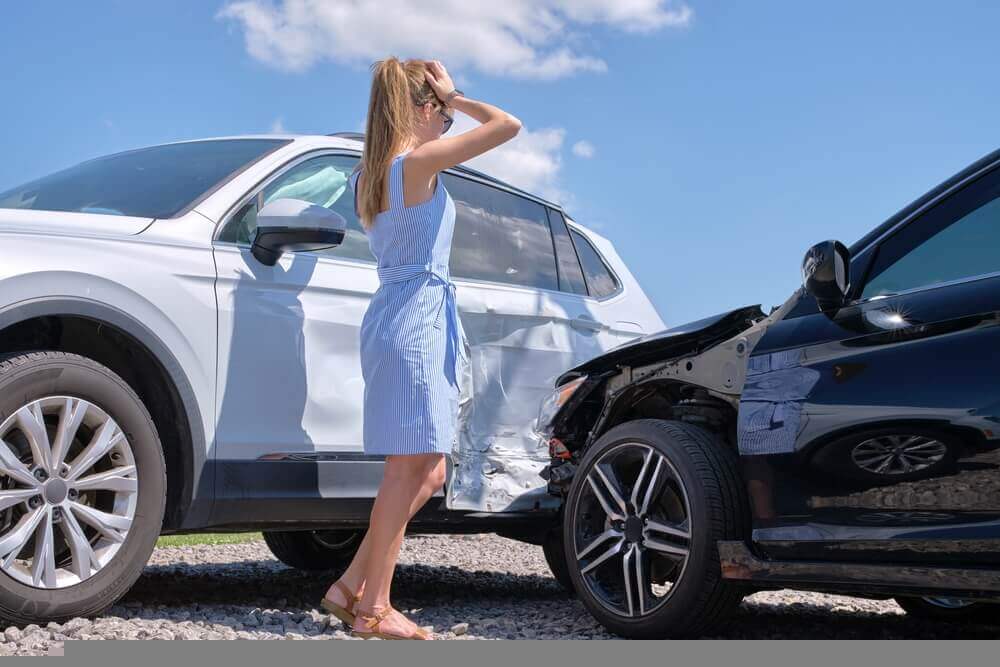
A car crash can turn your day around in seconds. The damage is usually obvious. Sharp metal, broken glass, severe wounds are all attention-grabbing immediately. But maybe the most convincing evidence for your assertion isn’t the obvious stuff. The little details frequently explain the whole narrative. Most people believe that images of the damage to the vehicle and a police report are sufficient. They do help, of course. But they don’t often tell the complete story. Hidden evidence can reveal what really happened and make the other driver guilty. If you have been injured, talk with a DC Personal Injury Lawyer early on to help preserve vital evidence before it disappears. There are various injury cases handled by firms like Price Benowitz Accident Injury Lawyers, LLP in Washington, DC. This firm deals with car accidents, truck accidents, motorcycle accidents, bicycle accidents, bus accidents, pedestrian accidents and more. They also include those with life-changing traumas such as spinal cord and burn injuries.
The Basics in a Nutshell
Before we get into the details, here’s the overall idea.
- Gather proof as early as feasible.
- Save all the crash related stuff.
- Don’t suppose the police learned every fact.
- Keep track of your injuries and expenses.
- Act before the evidence is lost.
Simple steps today make a big difference tomorrow.
The Pictures Nobody Ever Takes
Most drivers take pictures of broken bumpers. That’s good, but don’t stop there. Take pictures of the skid marks. 3. Photograph damaged traffic signs. Take a picture of the road debris and the weather. Traffic lights, lane lines, and businesses in the area. Little things matter. A crash could be caused by a pothole that is covered by a puddle or a stop sign that is covered by a tree. Start with the wide photos. Then close in for detail. Think of it like telling a tale in visuals.
Witnesses Don’t Last as Long as You Think
People often stop to aid after a wreck. Then they go. Memories evolve. Contact info can disappear. A witness who recalls things sharply now, may have trouble weeks later. Please ask for their name and phone number if you saw the crash. A quick statement on tape with authorization can also be useful. Sometimes the most powerful proof is an independent witness.
Cameras Everywhere, But Not Always Right
You know what? People tend to ignore security cameras. Washington, DC contains traffic cameras, commercial cameras, apartment complexes, buses, and doorbell systems that could film a crash. The problem is easy. Many systems delete footage after a short period of time. Which means delaying too long could destroy valuable evidence for good.
Some of the Story Your Phone Can Tell
Most people use their phones after a car accident. That makes good records. Your images are time stamped. Calls to emergency services generate records. Navigation apps can tell you where you are and where you’re going. Some fitness trackers can even show changes in heart rate or activity after impact. No one object wins a case. These details help to establish a clearer timeline.
Medical notes matter more than you realize
Others wait for days to see a doctor. Life gets busy.” Pain can sometimes come later. That’s typical. However, if you delay treatment, insurance companies can challenge your injuries. See a medical provider as soon as possible. Adhere to treatment plans. Keep all bills, reports, receipts and appointment records. Your medical record ties your injuries to the crash.
Little expenses can add up
Medical expenditures are merely one of your losses. Keep receipts for prescription drugs, parking, travel to appointments, medical equipment, and home care. Work missed needs attention too. Save pay stubs and employer letters documenting lost revenue. These data tell the story of the financial toll of your injuries.
Social media has two blades
Here is the thing. Insurers occasionally look at public social media posts. A photo of you smiling during a family BBQ may not reflect pain. And yet someone would say, you weren’t wounded much. That doesn’t mean you have to disappear from social media. It only means ponder before posting while your claim is active.
Your Car Has More Answers Than You Think
Cars today capture data. Some cars log speed, braking action, steering input and seat belt use in the moments preceding a crash. This information may help you with your version of the events. Vehicle damage, too, tells a narrative. Repair estimates, inspection reports and crash reconstruction experts can explain how the impact happened. It is a bit like putting a jigsaw puzzle together. Every part counts.
Maintain a Daily Injury Log
People seldom remember every awful day months later. Every evening write down your symptoms. Tell us how bad it hurts. Taped missing family gatherings. Tell me about difficulties sleeping or driving. Include changes in emotions if they impact daily life. A simple journal can be useful evidence because it records how your injuries affected your daily routine over time.
Don’t Throw Away Your Damaged Items
Many repair shattered glasses, helmets, phones or child safety seats immediately. First Pause. These damaged objects might offer some clues as to the force of the impact. Take pictures before you change them. Do not throw away anything linked with the accident without your attorney’s advice.
How Legal Help Can Help Protect Concealed Evidence
Insurance firms start gathering facts right away. You deserve to have someone do the same for you. The lawyer can subpoena security video, collect witness accounts, analyze phone records where applicable, retain car data and consult with accident experts. That work generally begins far before settlement talks start. Price Benowitz Accident Damage Lawyers, LLP understands how ignored evidence impacts damage claims around Washington, DC. Crafting a solid case isn’t only about proving a crash occurred. It is about showing the whole effect on your health, finances and future.
Conclusion
Powerful car accident cases are rarely reliant on one single piece of evidence. They are composed of many minor details functioning in unison. A witness, a receipt, a security camera or a doctor’s certificate may feel small by itself. Together they give a much fuller picture of what happened. Act fast after a crash. Save Record. Ask questions. Save every crumb of evidence before the darkness swallows it.
Common Questions
1. What evidence is typically overlooked following a vehicle accident?
What frequently gets missed are security camera tapes, witness information, damaged personal property and electronic vehicle data. Along with medical records and images, these details can help substantiate your claim.
2. How long should I retain accident documents?
Retain all documents until your claim is fully settled. This includes repair bills, medical records, receipts, insurance letters and proof of lost income. They may be required in settlement negotiations or court.
3. Can I Use My Cellphone to Prove My Car Accident Claim?
Yes. Your phone may have images, movies, GPS history, timestamps, emergency calls and text logs. These details can help determine where you were and what happened following the collision.
4. You may want to talk with your insurance provider before you hire an attorney.
You may report the incident but do not make comprehensive documented remarks until you have obtained legal advice. Early statements may affect the handling of your claim later.
5. Why Is It Important To Contact A Lawyer Right Away After A Washington, DC Car Accident?
A lawyer can move quickly to protect evidence before it goes. They can collect video surveillance, interview witnesses, preserve electronic data associated with the car and begin building a stronger claim.