The first offer often looks polite — and that’s the trap
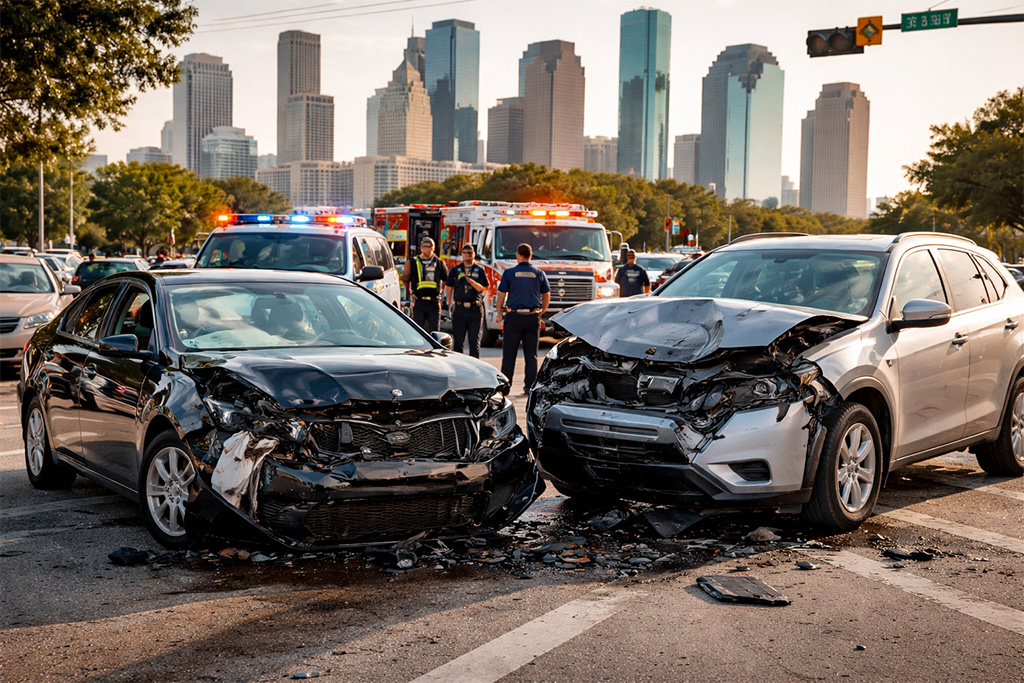
A crash shakes up your whole day, sometimes your whole year. One minute you are driving through Houston traffic, the next minute your phone rings with an insurance adjuster asking if you want to settle quickly. That quick offer can feel like relief. Rent is due. Your car needs work. Your neck still hurts. You may think, “Maybe I should just sign and move on.” That is where many people lose money. A settlement closes your claim. Once you sign, reopening it is hard. In many cases, it cannot be done. If your pain gets worse two weeks later, the insurer may still point to that signed paper. That is why people pause first. A short pause can save years of regret. A lot of crash victims in Houston do not realize how many losses count under Texas law. Medical bills are obvious. Lost work days count too. Pain matters. Future care matters. Even small things add up, like rides to treatment or replacing damaged child seats. That is one reason many people speak with a Houston personal injury lawyer before signing anything. A firm like Schechter, Shaffer & Harris, LLP – Accident & Injury Attorneys often reviews whether the number offered actually matches the harm done.
Not all pain shows up on day one
Here is the thing: some injuries stay quiet at first. A sore back may seem minor after a crash. Three days later, it can become sharp enough to stop sleeping. Soft tissue injuries do that. So do some head injuries. People often feel pressure to settle before they know what their body is doing. That pressure usually comes from timing. Insurance companies move early because early facts favor them. Doctors matter here. Not just because treatment helps, but because records tell the story. Keep every bill, every note, every visit summary. Even a short urgent care visit can matter later if the insurer claims you were “fine.” Think of it like building a receipt trail after a storm. If the roof leaks, you need proof of what got damaged and when.
Money talk: what a claim should really cover
A lot of people count only what they paid this week. That misses the larger picture.
A fair claim often includes:
- Emergency room costs
- Follow-up care
- Physical therapy
- Lost wages
- Car repair or total loss value
- Future treatment needs
- Pain and daily limits
Pain sounds vague, yet it affects everything. If you cannot lift your child, sit through work, or sleep well, that changes daily life. And yes, insurers know this. They also know many people do not ask for it clearly. A claim should match what the crash took, not just what arrived in one invoice. Sometimes the smallest losses sting most. A missed exam. A canceled trip. A side job for two months. These details matter because they show real impact.
Why recorded statements deserve caution
Soon after a crash, you may get asked for a recorded statement. It sounds harmless. “Just tell us what happened.” But words spoken while stressed can later be used against you. A simple line like “I’m okay” may later appear in a file beside your MRI results. People say that phrase out of habit. It does not mean they are fine. You can still cooperate without rushing. Read forms. Ask what each document does. If something feels unclear, stop there. That pause is not rude. It is smart.
Texas deadlines are real, and they move fast
Texas gives most crash victims two years to file a claim after an injury crash. That sounds long, yet time slips fast. Texas roads produce many claims where people wait too long because they hope pain fades or repairs solve the bigger issue. Then records get lost. Witnesses forget details. Camera footage disappears. That weakens even strong cases. A rainy afternoon crash near a busy interchange may have nearby camera footage today. Next month, maybe not. So even if you do not file right away, gather things early:
photos, repair notes, names, receipts, and doctor visits. That simple habit helps later.
When fault is disputed, the tone changes
Some claims stay simple. Many do not. The other driver may deny blame. A truck driver may blame traffic. A rideshare driver may point at another lane. Then the file changes from routine to argument. Texas follows modified comparative fault rules. If you are found partly at fault, your payout can drop. If fault reaches 51%, recovery may stop. That makes details matter a lot. A lane mark, brake timing, weather, even road debris — small facts start carrying weight. Honestly, that is why strong documentation often beats strong emotion.
Why legal help sometimes saves more than it costs
Some people avoid lawyers because they think the case is too small. Sometimes that is fair. A minor scrape with no injury may not need much help. But once treatment starts, the math changes. A law firm like Schechter, Shaffer & Harris, LLP – Accident & Injury Attorneys, known in Houston for injury work, often reviews claims where the first offer missed major losses. The point is not drama. It is a review. A lawyer can look at future care, wage proof, and policy limits. They also know when insurers delay because they expect frustration. And frustration makes people settle cheap. It happens more than people admit.
Small choices after the crash can shape the claim
You know what surprises many people? Tiny habits matter. Posting online can hurt a case. Missing treatment can hurt too. If someone says they cannot lift much but posts gym photos, insurers notice. Even harmless photos can be read the wrong way. That sounds unfair, but claims work like that.
Try to stay consistent:
If pain limits you, your records should show it. Also, keep repair estimates. Even if the car looks fine, frame damage can show up later. Cars are like phones after a drop. The outside may look normal, yet the trouble sits underneath.
Before signing anything, ask one plain question
Ask this: does this amount cover next month too? Not just today. Not just this bill. Next month matters because pain, lost time, and treatment often keep going. If the answer is uncertain, wait. A settlement should feel informed, not rushed. That one pause can change the outcome more than people expect.
FAQs
1. Should I accept the first insurance offer after a crash?
Not right away. First offers often come before full treatment is known. A later doctor visit may show more damage than expected. Review all bills and future care before signing anything.
2. How long do I have to file a crash claim in Texas?
Most injury claims in Texas have a two-year deadline. That clock usually starts on the crash date. Waiting too long can weaken proof even before the deadline arrives.
3. Can I still recover money if I was partly at fault?
Yes, in many cases. Texas allows recovery if your fault stays below 51 percent. Your payment may shrink based on your share of fault.
4. What if pain starts days after the crash?
That happens often. Soft tissue injuries and some head injuries show up late. See a doctor quickly so records connect the pain to the crash.
5. Do I need a lawyer for a car crash claim?
Not always, but serious injuries change things. If treatment lasts, wages drop, or fault is disputed, legal practice review often helps you see what the claim is truly worth.