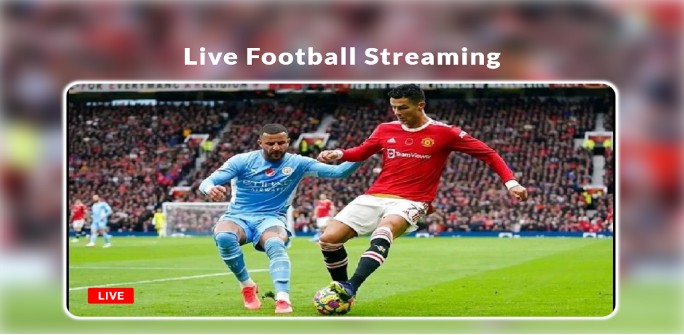
The UEFA Champions League, often referred to simply as the Champions League, is the pinnacle of club football. It’s a competition that unites the best teams across Europe, delivering some of the most breathtaking matches, unforgettable moments, and legendary rivalries. But how did the Champions League evolve into the grand spectacle we know today? From its humble beginnings to its global dominance, this competition has grown into a cultural phenomenon and a stage where heroes are made. Whether you’re a casual fan or a devoted follower, Xoilac TV makes it easier than ever to keep up with every game and every goal.
The Birth of a Legendary Tournament
The origins of the Champions League can be traced back to 1955, when it was first introduced as the European Cup. At that time, football was primarily a regional affair, with leagues being the highest level of competition in most countries. The idea of pitting the best clubs from various nations against each other was revolutionary.
The inaugural tournament consisted of only 16 teams, all champions of their respective leagues. Real Madrid emerged as the first champions, beginning a period of dominance that saw them win the first five editions of the competition. The early years of the European Cup laid the foundation for the drama and spectacle that would define the Champions League in the decades to come.
The Evolution to the Champions League
In 1992, the European Cup underwent a transformation. It was rebranded as the UEFA Champions League, complete with a new format, a modern logo, and a catchy anthem that has become iconic in its own right. The tournament was expanded to include not just league champions but also top-performing teams from Europe’s biggest leagues.
This expansion was a game-changer. It allowed clubs like Manchester United, Juventus, and Barcelona to compete regularly, even if they didn’t win their domestic leagues. With more matches, greater competition, and broader television coverage, the Champions League became a global event.
Iconic Matches and Moments
The Champions League has produced some of the most memorable moments in football history. Who could forget Manchester United’s dramatic comeback against Bayern Munich in the 1999 final? Or Liverpool’s miraculous win against AC Milan in 2005, where they overturned a 3-0 deficit to lift the trophy?
These matches aren’t just games; they’re stories of resilience, passion, and the unpredictability that makes football so special. The Champions League has consistently delivered these moments, cementing its reputation as the ultimate stage in club football.
The Globalization of the Champions League
Over the years, the Champions League has transcended its European roots to become a global phenomenon. The competition is broadcast in over 200 countries, with millions tuning in to watch the action unfold.
Sponsorships and broadcasting rights have played a massive role in the competition’s growth. Partnerships with brands like Heineken, Mastercard, and Adidas have brought in billions of dollars, enabling UEFA to invest in making the tournament even more spectacular.
Moreover, digital platforms and live-streaming services have made it easier for fans to follow the Champions League. Whether it’s catching up on highlights or watching matches live, technology has brought the magic of the tournament to every corner of the world.
The Impact on Players and Clubs
For players, the Champions League is the ultimate dream. It’s a competition that defines legacies and elevates careers. From Cristiano Ronaldo’s record-breaking goal tally to Lionel Messi’s unforgettable performances, the tournament has been a stage for the world’s best to shine.
Clubs, too, benefit immensely from competing in the Champions League. The financial rewards are enormous, with prize money and broadcasting revenues providing a significant boost to participating teams. Success in the tournament also enhances a club’s reputation, helping them attract top talent and grow their global fanbase.
Challenges and Controversies
Despite its success, the Champions League has faced its fair share of challenges. The dominance of a few elite clubs has led to concerns about competitiveness, with critics arguing that the tournament is becoming predictable.
The proposed European Super League in 2021 was another major controversy. Although the idea was quickly abandoned following widespread backlash, it highlighted the growing tension between UEFA and some of Europe’s richest clubs.
Additionally, the tournament has had to adapt to external challenges, such as the COVID-19 pandemic. Matches were played behind closed doors, and the format was altered to ensure the competition could continue safely.
The Champions League Today and Beyond
As we look to the future, the Champions League shows no signs of slowing down. Plans for expanding the tournament format from the 2024/25 season onwards promise even more excitement and opportunities for clubs to compete.
The competition’s ability to evolve while maintaining its core essence is a testament to its success. It remains the dream of every footballer and the highlight of every fan’s calendar.
The Role of Modern Platforms
In today’s fast-paced world, Xôi lạc trực tiếp bóng đá play a vital role in keeping fans connected to the Champions League. Whether it’s live-streaming matches or offering in-depth analysis, these platforms ensure that the magic of football reaches fans wherever they are.
The Champions League has come a long way from its humble beginnings. It has become more than just a football tournament—it’s a celebration of the sport, a showcase of talent, and a source of inspiration for millions. As it continues to grow and evolve, one thing is certain: the Champions League will always be football’s biggest stage.